
Table of Contents
- Why Booking With a Certified Diesel Mechanic Matters
- How to Verify a Certified Diesel Mechanic's Qualifications
- Understanding Diesel Engine Diagnostic Services
- What to Expect: Diesel Engine Repair Cost Factors
- Step-by-Step: Scheduling Your Diesel Repair Appointment
- Common Mistakes to Avoid When Booking Diesel Repair
- What to Do After Your Diesel Engine Repair Is Complete
- Frequently Asked Questions
Last Updated: October 14, 2026
Why Booking With a Certified Diesel Mechanic Matters
Booking certified diesel engine repair directly impacts your vehicle's performance and longevity. Diesel engines run at higher compression ratios and require specialized diagnostic equipment and expertise.
A certified diesel mechanic has formal training in diesel systems, fuel injection, turbochargers, emissions controls, and maintenance. Without it, a general mechanic can misdiagnose problems or recommend unnecessary repairs.
The difference is certification and transparency: a certified technician knows what they're looking at and tells you the truth.
How to Verify a Certified Diesel Mechanic's Qualifications
Before you book certified diesel engine repair, verify the mechanic's credentials. Here's what to look for.
ASE Certification is the gold standard. The National Institute for Automotive Service Excellence certifies mechanics through rigorous testing.
Ask the shop directly: "Does your diesel mechanic have ASE Heavy-Duty Diesel Engine certification?" If they hesitate, that's a red flag. Certified mechanics know their credentials matter and mention them upfront.
Manufacturer-Specific Training matters too. Powerstroke mechanics should have Ford training, Duramax specialists need GM certification, and Cummins experts should have Cummins-specific training.
When you call to book your appointment, ask: "What certifications does your diesel mechanic have?" If they give a vague answer, call somewhere else. A shop confident in its team answers directly.
Understanding Diesel Engine Diagnostic Services
Diesel engine diagnostics are the first step in any repair. Before anyone recommends parts or labor, they need to understand what's actually wrong, where certified expertise makes the biggest difference.
A proper diagnostic connects the vehicle to specialized equipment that reads fault codes, but reading a code isn't understanding its cause. A certified diesel mechanic interprets it in context: listening to the engine, checking fluids, reviewing maintenance history, and running targeted tests.
A low fuel pressure code could mean a failing fuel pump, a clogged fuel filter, or damaged injectors. A general mechanic might replace the fuel pump; a certified diesel mechanic tests each component systematically to find the actual culprit.
What a Diagnostic Visit Actually Includes
A thorough diagnostic visit follows a repeatable sequence:
- Customer interview. The technician asks when the symptom started, whether it's constant or intermittent, and whether it appears cold, hot, under load, or at idle.
- Visual and fluid inspection. Check engine oil, coolant, fuel filter age, and leaks or chafing. Diesel fuel systems are contamination-sensitive, so a fuel sample or filter cut-open is common.
- Scan tool session. The technician pulls active and stored fault codes, then reviews freeze-frame data, sensor readings captured when the code set, which often matters more than the code itself.
- Live data and bidirectional tests. The scan tool commands components (injectors, EGR valve, turbo actuator, glow plugs) while the technician watches engine response, where a general mechanic without diesel-specific software falls short.
- Targeted mechanical tests. Depending on findings: compression, cylinder contribution, fuel pressure, or relative compression checks.
- Written findings and estimate. The technician documents what was tested, what was found, and the recommended repair, with parts and labor broken out.
How Diagnostic Fees Typically Work
Diagnostic pricing generally falls into three structures:
- Flat diagnostic fee. A fixed charge regardless of how long diagnosis takes.
- Hourly diagnostic time. The shop bills actual time spent.
- Credited diagnostic fee. The shop applies the fee toward the repair if you authorize the work.
Authorization: How to Stay in Control
Diagnostics and repairs are two separate authorizations. You approve the diagnostic; the shop presents findings and an estimate; you approve or decline the repair. Never let a shop skip that second step.
Ask for the estimate in writing and confirm:
- Which parts will be replaced and whether they are OEM, remanufactured, or aftermarket
- The labor hours quoted and the shop's posted labor rate
- Whether the diagnostic fee is credited toward the repair
- What happens if additional problems are found mid-repair, will they call before proceeding?
Diagnostics can save money by preventing unnecessary work. When you book certified diesel engine repair, the diagnostic fee can help protect you from overpaying for repairs you don't need.
What to Expect: Diesel Engine Repair Cost Factors
Several factors influence what you'll pay for diesel engine repair. Costs vary widely by truck and engine, so the goal here is to give you the vocabulary to compare estimates fairly.
The Five Cost Drivers
1. Engine problem severity. The primary driver. A worn serpentine belt or clogged fuel filter is low-cost; a failed turbocharger, a set of injectors, or an engine overhaul sits at the opposite end.
2. Parts cost and sourcing. OEM parts cost more than aftermarket but typically carry a manufacturer warranty; remanufactured injectors and turbos sit between the two.
3. Labor hours and shop rate. Labor is billed in hours at a posted shop rate.
4. Diagnostic time already spent. If the shop spent two hours diagnosing before finding the fault, that time is part of your total.
5. Shop type and location. Dealerships typically have manufacturer-trained technicians and specialized equipment. Independent diesel specialists offer specialized services, and labor rates can vary.
How to Read a Written Estimate
A useful diesel repair estimate is itemized. If you receive a lump-sum number, ask for a breakdown separating:
- Parts, each part listed by name, part number, and whether it is OEM, remanufactured, or aftermarket
- Labor, hours quoted per operation, multiplied by the shop's labor rate
- Diagnostic fee, shown separately and clearly marked as credited or not credited toward the repair
- Shop supplies and environmental fees, small line items that are normal but should be visible
- Tax, applied per state and local rules
- Total, the number you are actually authorizing
Comparing Two Estimates
When you have estimates from two shops, compare them line by line rather than by total. Two estimates can look similar in total while differing significantly in what they include. Ask:
- Is the diagnostic fee credited on one estimate but not the other?
- Are the parts OEM on one and aftermarket on the other?
- Does either estimate include a warranty on parts and labor, and for how long?
- Does either estimate include follow-up or re-check if the symptom returns?
A lower total isn't automatically the better deal if it uses lower-grade parts, excludes warranty, or omits the diagnostic credit.
What to Ask Before You Authorize
- "Can you send me the estimate in writing before I approve anything?"
- "Is the diagnostic fee credited toward this repair?"
- "Are these parts OEM, remanufactured, or aftermarket?"
- "What is the warranty on parts and labor for this specific repair?"
- "If you find something else once you're in there, will you call me before doing additional work?"
When you book certified diesel engine repair, ask for a written estimate that breaks down parts and labor separately. This clarifies what you're paying for and makes comparing shops easier.
Step-by-Step: Scheduling Your Diesel Repair Appointment
Booking your diesel repair appointment is straightforward, but a few preparation steps help the mechanic diagnose your vehicle faster.
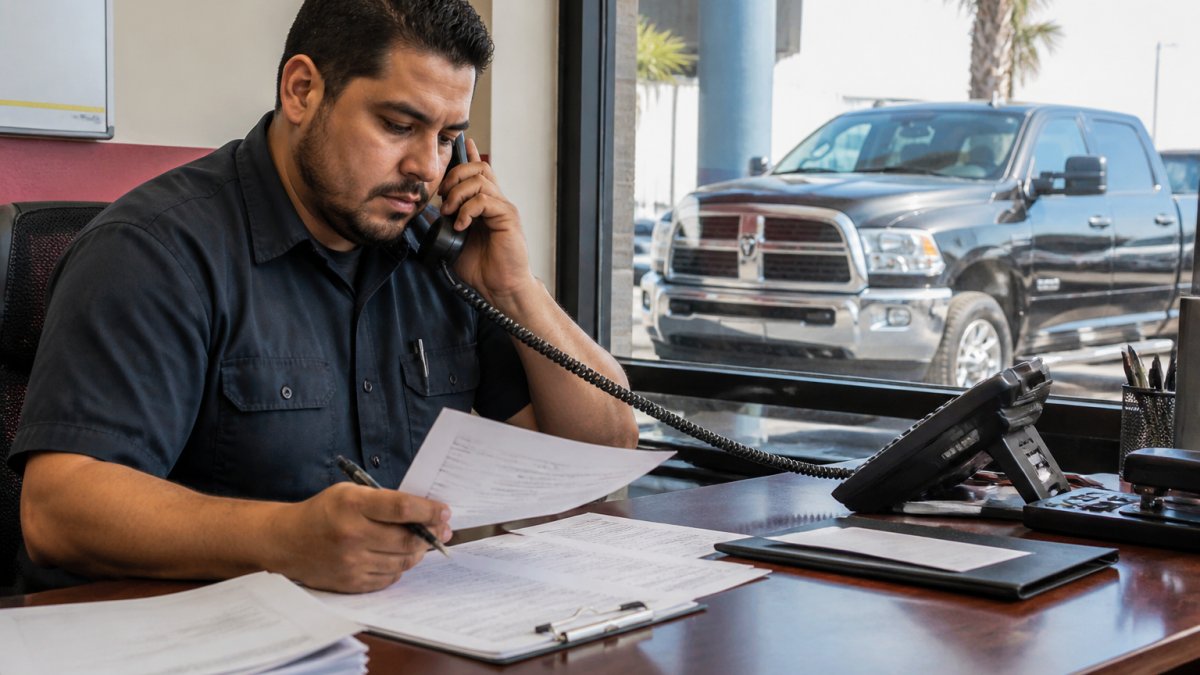
Step 1: Gather Your Vehicle Information. Have your VIN, year, make, model, and engine type ready.
Step 2: Describe Your Problem Clearly. Don't assume the shop knows what "it's running rough" means.
Step 3: Ask About Availability. Ask when they can fit you in and whether they offer mobile service.
Step 4: Confirm the Diagnostic Fee. Ask what the shop charges for diagnostics and whether it applies toward repairs.
Step 5: Schedule the Appointment. Provide your contact information, confirm the date and time, and ask what to bring: keys, vehicle registration, maintenance records.
Information to Prepare Before You Call
Have these details ready when you book:
- Vehicle VIN and registration
- Current mileage
- Detailed description of symptoms (sounds, warning lights, performance issues)
- Maintenance history and any recent repairs done elsewhere
- Preferred appointment time and date
- Whether you need the truck for work (affects turnaround time)
Questions to Ask When Booking
Before confirming your appointment, ask these questions:
- "Does your diesel mechanic have ASE Heavy-Duty Diesel Engine certification?"
- "What's your diagnostic fee, and does it apply toward repairs?"
- "How long will diagnostics take, and when can you fit me in?"
- "Do you work on [your specific engine type: Powerstroke/Duramax/Cummins]?"
- "If repairs are needed, what is the estimated timeframe for completion?"
- ""
These questions confirm the shop is qualified and establish expectations upfront. A shop that answers directly and confidently is worth working with.
Common Mistakes to Avoid When Booking Diesel Repair
Vehicle owners often make avoidable mistakes when booking repairs. Watch for these.
Waiting Too Long After Warning Signs. If your diesel shows any warning light or performance change, it's advisable to book diagnostics promptly.
Choosing Based on Price Alone. The cheapest estimate isn't always the best deal. Compare estimates, but also weigh certifications, reputation, and warranty coverage.
Not Asking About Warranty. When you book certified diesel engine repair, ask what warranty covers the work. Reputable shops stand behind repairs with a warranty on parts and labor.
Failing to Mention Previous Repairs. If your truck had similar symptoms before and was serviced elsewhere, tell the new shop.
Authorizing Work Without Understanding It. Never approve repairs you don't understand. Ask the mechanic to explain what's wrong, why the repair will fix it, and what the alternatives are.
What to Do After Your Diesel Engine Repair Is Complete
Once your diesel engine repair is finished, take these steps to confirm the work was done right.
Test Drive the Vehicle. Before you leave, test drive the truck with the mechanic or shop manager.
Get a Warranty in Writing. Confirm the warranty period and what it covers, including whether it applies only to the repaired component or to related systems.
Keep All Documentation. Save the invoice, warranty information, and parts receipts.
Schedule Follow-Up Maintenance. Ask about the next recommended maintenance interval. Regular servicing prevents expensive repairs down the road.
At Inland Auto and Truck, we provide detailed invoices, written warranties, and follow-up guidance so you feel confident in the work.
Booking certified diesel engine repair doesn't have to be stressful.
Frequently Asked Questions
How do I know if a diesel mechanic is certified?
Look for ASE (Automotive Service Excellence) certification, which indicates the technician has passed rigorous exams in diesel engine repair and diagnostics. Ask your shop if they're NAPA-approved or have certifications specific to your engine type (Powerstroke, Duramax, or Cummins). Request to see credentials before booking, and ask how long they've specialized in diesel work. Certified mechanics should be able to discuss their training and answer technical questions about your specific engine.
What should I have ready when scheduling a diesel repair appointment?
Gather your vehicle's year, make, model, and engine type. Write down the specific symptoms you've noticed and when they started. Have your maintenance history available, including recent oil changes and service records. Know your mileage and whether the vehicle is still under warranty. If you've had any diagnostic codes pulled, have that information ready. This helps the shop understand your diesel engine problem before you arrive and allows them to provide a more accurate estimate.
What factors affect diesel engine repair cost?
Labor time, parts availability, and the severity of the problem drive most costs. Simple maintenance like oil changes cost less than engine diagnostics or parts replacement. The specific engine type matters too, as parts and complexity can vary. Whether the repair requires partial work or full engine replacement significantly impacts the total. Ask for a detailed estimate that breaks down labor, parts, and diagnostics before authorizing work.
Can a diesel repair shop diagnose my engine problem before I pay for repairs?
Yes. A certified diesel mechanic should perform engine diagnostics first to identify the exact problem. This typically involves connecting diagnostic equipment to read engine codes and running troubleshooting tests. The diagnostic service helps create an accurate repair estimate so you won't face surprise costs later. Ask upfront if the diagnostic fee will be credited toward repairs if you proceed. This approach protects you from unnecessary work and builds trust with a transparent shop.
